
Jute Rope - Everything You Wanted to Know

Shibari is an art form that balances aesthetics, connection, and technical precision. At the heart of this practice lies the material itself. While various fibers are used in the world of rope bondage, jute remains the undisputed gold standard for practitioners globally.
In this guide, we will explore why jute is the preferred choice, how to maintain it, and what you need to look for when purchasing your first set from Shibari Croatia.
A Brief History: From Hojojutsu to Modern Art
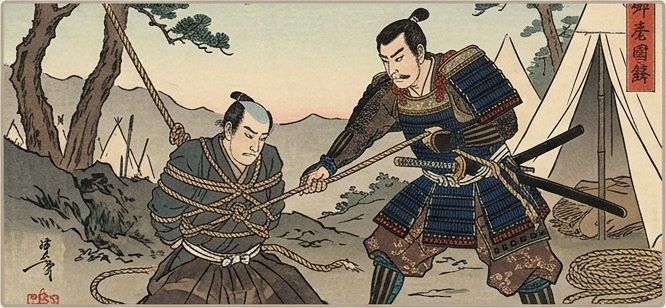
To understand the soul of jute rope, one must look at its origins. The roots of Shibari lie in Hojojutsu, the martial art of restraining captives in feudal Japan. Samurai used rope not only for physical restraint but as a display of social status and technical skill, with specific knots denoting the rank or crime of the prisoner.
In the early 20th century, and specifically during the post-war era, these restrictive techniques evolved into Kinbaku-bi (the beauty of tight binding). What was once a tool for captives transformed into a medium for artistic expression, emotional intimacy, and eroticism. Today, Shibari is practiced worldwide as a path to mindfulness and connection. Jute has remained the constant throughout this evolution because of its reliability and the deep respect practitioners hold for the tradition of natural fibers.
Why Jute? The Sensory and Technical Advantage
Jute is a natural vegetable fiber primarily sourced from the Corchorus plant. In the context of Shibari, it is favored for several distinct reasons:

The "Bite" (Friction): Unlike synthetic ropes (like nylon or polyester), jute has a natural surface texture that provides "bite." This friction is crucial because it ensures that knots
and wraps stay in place without slipping, which is vital for the safety of any tie.
Minimal Stretch: Jute fibers have very low elasticity. This allows the rigger to have precise control over the tension of the rope, ensuring that the pressure remains consistent throughout the session.
Organic Feel: There is a deep, grounding connection that comes from working with natural materials. The scent, weight, and warmth of jute enhance the meditative aspect of the practice for both the rigger and the person being tied.
Understanding Rope Quality: Treated vs. Raw
When you browse our webshop, you may notice terms like "treated" or "processed." Understanding the difference is key to your comfort.
Raw Jute: Often rough, hairy, and stiff. It can be abrasive on the skin and is generally not recommended for direct use in Shibari without preparation.
Processed Jute: This is what we specialize in at Shibari Croatia. Our ropes undergo a meticulous process of singeing (removing loose fibers with a flame), oiling (to keep the fibers supple), and breaking in. This results in a rope that is smooth to the touch, flexible, and safe for sensitive skin.
Critical Safety Notice: Load-Bearing and Suspensions
Safety is the most important element of any rope practice. When working with jute, you must understand its structural limits:
Load-Bearing Limits: While jute is strong, it is a natural fiber that can degrade over time. Never assume a single rope is sufficient for full body weight. Suspensions require specialized knowledge, multiple lines of "load-rated" rope, and structural anchor points.
Nerve and Vessel Compression: Jute has very little "give." This means pressure is applied directly to the tissues. You must avoid placing heavy tension over nerves (like the radial nerve in the arm) or major blood vessels.
Never Tie Alone: Whether practicing floor work or suspension, never tie yourself or others without a "safety" person present who is trained in emergency release.
The Lifeline: Always have your safety shears within reach. In Shibari, seconds matter if a limb goes numb or a tie becomes restrictive.

Jute rope and safety shears
Maintenance: How to Care for Your Ropes
Jute is a "living" material. If you treat your ropes with respect, they will last for years.
1. Cleaning
Natural jute should never be put in a washing machine. If your rope gets soiled, spot-clean it with a damp cloth and a very mild soap. Always allow it to air dry completely—away from direct sunlight—before storing it.
2. Oiling
Over time, the natural oils in the jute can dry out, making the rope brittle. Periodically applying a specialized rope balm or a skin-safe oil (like jojoba or camellia oil) will restore its suppleness.
3. Storage
Store your ropes in a cool, dry place. Avoid plastic bags, as natural fibers need to "breathe." A cotton bag or hanging them in a loose coil is ideal to prevent mold and maintain the integrity of the fibers.
Start Your Journey with Shibari Croatia
Whether you are looking for your first 8-meter length of premium jute or seeking a private booking to refine your skills, we are here to support your journey. Our ropes are hand-processed with the highest level of care, ensuring that you receive a product that is as beautiful as the art you are creating.
Explore our webshop to find the perfect jute rope for your practice, and stay tuned to our events page for upcoming workshops in Croatia.


Comments