
Shibari Essentials - All the Gear You Will Need

Embarking on a journey into the world of Shibari is as much about the tools as it is about the technique. For many, the transition from curiosity to practice begins with a simple question: "What do I actually need to start?"
At Shibari Croatia, we believe that the right equipment is the foundation of a safe, aesthetic, and fulfilling practice. In this guide, we will break down the essential gear required to build your first kit, ensuring that your investment supports your growth from the first knot to complex ties and suspensions.
1. The Heart of the Practice: Jute Rope
While you can find ropes made of various materials, jute remains the gold standard for traditional Shibari. Its unique "bite" ensures that knots stay secure, and its minimal stretch provides the rigger with unmatched precision.

What to look for:
Length: The standard length for most ties is 8 meters (approx. 26 feet). Beginners should start with 2 to 4 lengths of this size.
Diameter: A diameter of 5mm to 6mm is the most versatile. It is thick enough to be comfortable on the skin but thin enough to handle easily.
Treatment: Raw jute is often too abrasive. We recommend starting with pre-treated, singed, and oiled ropes—like the ones available in our shop—which are ready for immediate use on the skin.
2. Hardware for Suspension and Connection
As you move beyond floor work, hardware becomes a vital part of your kit. Quality and safety ratings are non-negotiable when it comes to suspension gear.
Carabiners and Pulleys
In Shibari, carabiners are used to connect ropes to anchor points or to create mechanical advantage.
Type: Always use "climbing rated" or "industrial rated" carabiners. Avoid "accessory" carabiners found in hardware stores, as they are not designed to hold human weight.
Locking Mechanisms: Screw-gate or auto-locking carabiners are preferred to prevent accidental opening during a session.
Suspension Rings: Bamboo, Steel, and Wood
Rings act as a central point for many suspension patterns, helping to distribute weight and manage multiple rope lines.

Bamboo Rings: Traditional and aesthetically pleasing. They offer a slight flex and a warm feel, but must be checked regularly for cracks.
Steel Rings: The strongest and most durable option. They are easy to clean and provide absolute reliability for heavy loads.
Wooden Rings: A middle ground between bamboo and steel. They are sturdy and offer a beautiful natural aesthetic, often used in aesthetic or artistic suspensions.
3. Anchor Hardware and Rigging
If you plan to suspend at home, your anchor points are the most critical part of your setup.
Beam Wraps and Eye Bolts: Ensure any fixed hardware is installed by a professional and rated for dynamic loads (usually 10kN or higher).
Static Slings: These are high-strength textile loops used to wrap around beams or pipes to create a safe connection point for your carabiners.
4. Rope Maintenance: Oils and Balms
Jute is a natural fiber, and its interaction with the skin is a significant part of the experience. To keep both the rope and the body in top condition, you will need maintenance essentials.
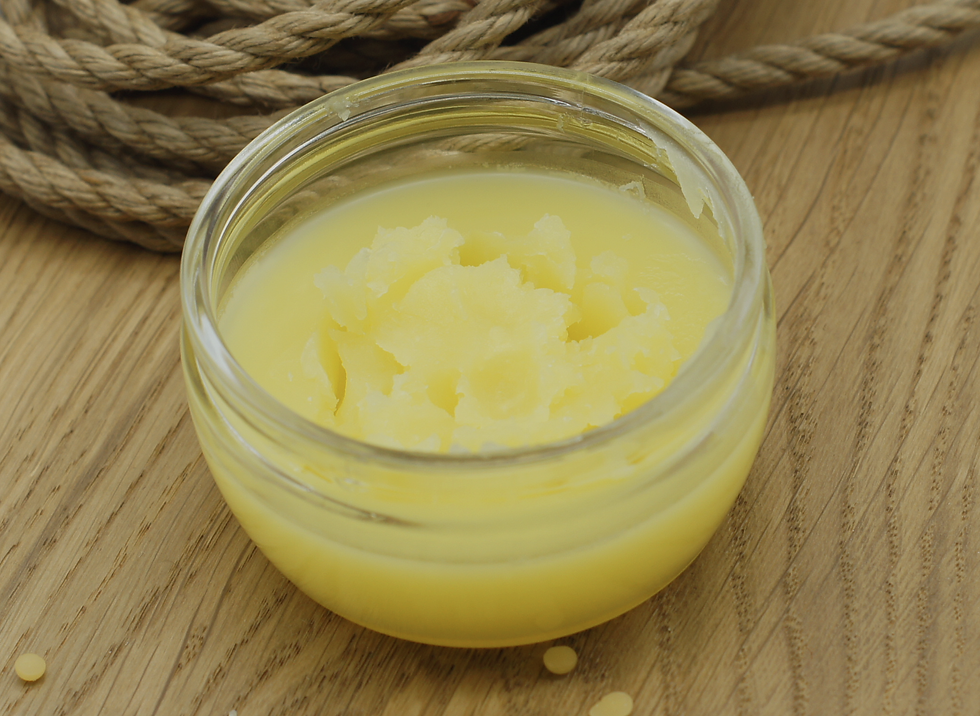
Rope Oils (Camellia or Jojoba): These oils penetrate the fibers to keep them supple and prevent the rope from becoming brittle and dangerous.
Specialized Rope Balms: Usually a blend of wax and oils, balms provide a protective coating that keeps the rope smooth and reduces "hairiness" over time.
Singeing Tools: A gas torch is often used by riggers to "clean" the rope by burning off loose micro-fibers, keeping the jute smooth and professional.
5. Safety Shears: Your Most Important Tool
Safety is not just a concept; it is a physical tool you must have within reach at all times. In the event of an emergency, you must be able to remove the rope instantly.
EMT/Trauma Shears: These are designed with a blunt tip to slide under tight ropes without nicking the skin.
Accessibility: Your shears belong on the floor next to the tie or clipped to your person—never tucked away in a bag.
6. Education and Resources
The final "gear" item isn't physical—it's knowledge. No amount of premium jute or steel rings can replace a solid understanding of anatomy and safety.
Workshops and Tutorials: We highly recommend attending Shibari Croatia events or booking a private session. Learning from an experienced rigger helps you understand nerve pathways, circulation, and the structural integrity of different ties.
Reference Books: Having a guide to common knots and safety protocols is a valuable addition to your practice space.
Building Your Kit with Shibari Croatia
Starting your Shibari journey is an investment in yourself and your connections. By choosing high-quality, rated hardware and pre-treated jute, you ensure that your focus remains on the art and the moment.
Visit our webshop today to browse our selection of hand-processed jute, climbing-rated carabiners, suspension rings, and maintenance kits. We are here to provide the tools you need for a safe and beautiful practice.



Clear emphasis on safety and quality gear is crucial; I appreciate the detailed guidance on choosing and maintaining ropes and hardware for beginners. https://heartopiagame.net